
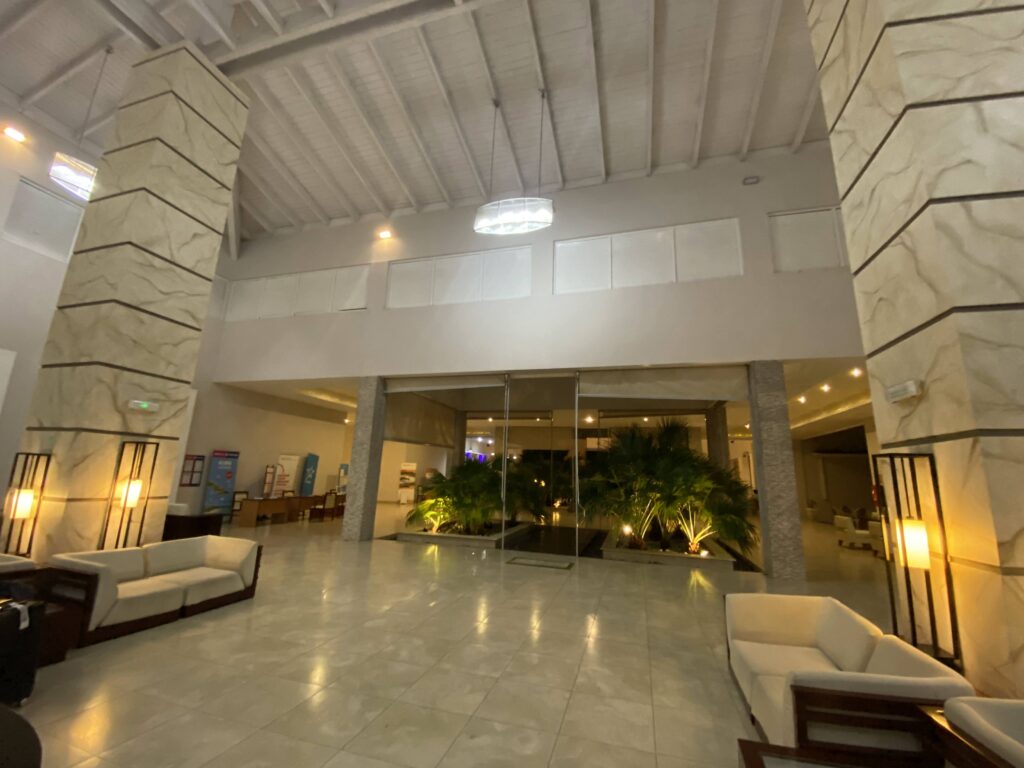
In this post, I’m sharing 3 insider tips to help you choose the right hotel for your trip to Cuba — based on real field experience and industry knowledge.
Planning a trip to Cuba? Looking how to choose the right hotel in Cuba? Before you hit “Book Now” on that tempting all-inclusive deal, take a moment. After several stays in Cuba — and with a background in hotel management that’s taught me how to read between the lines — I’ve realized that some crucial factors are often left out of brochures and travel blogs.
Here are 3 real tips that can make the difference between a great week... or a disappointing one filled with broken deck chairs and rice three times a day.
🔹 1. Match the hotel to YOUR travel style — and filter reviews accordingly
A hotel that’s perfect for a quiet couple’s retreat can be a terrible fit for a family with young kids. In Cuba, that gap is even wider, because each region has its own “personality.”
📍 Holguín = peaceful, family-friendly, beautiful beaches but few off-resort activities
📍 Havana = cultural, lively, great for history buffs and authentic local experiences
📍 Varadero = long beaches, resort-heavy, festive vibe ideal for nightlife and group fun
The trap? Reading reviews from travelers who didn’t share your priorities.
A guest complaining about “no nightclubs” at a quiet family resort isn’t exactly helpful.
💡 Pro tip: On TripAdvisor or Booking.com, filter reviews by traveler type (couples, families, solo, cultural interest, etc.). And always check guest photos — they show the real story.
🔹 2. Stick with a hotel brand you recognize internationally
All hotels in Cuba are technically owned by the government. But in practice, some are fully operated by state-run companies, while others are co-managed with international hotel brands — and that makes a world of difference.
🏨 100% Cuban-run hotels: manage your expectations
These hotels are managed by local entities such as Gaviota, Gran Caribe, or Islazul, without foreign partners. They might look affordable on paper, but in reality:
- rely entirely on limited local supply chains
- suffer from aging infrastructure and poor maintenance
- tend to have rigid service models and low hospitality standards
Typical examples:
• Hotel Nacional de Cuba (Havana — historic, but fading)
• Club Amigo Atlántico (Guardalavaca)
• Villa Tropico (Jibacoa)
🌍 Internationally co-managed hotels: higher standards… at least at first
Spanish chains like Iberostar, Meliá, Barceló, Be Live, and Kempinski manage many resorts in Cuba through joint ventures with the government.
While they must navigate local limitations, these brands often impose their own internal standards — maintenance protocols, staff training, hygiene practices. They also tend to negotiate better supply conditions and preserve minimum quality thresholds.
Typical examples:
• Iberostar Selection Holguín
• Meliá Internacional Varadero
• Gran Hotel Manzana Kempinski (Havana)
💡 Pro tip: Don’t rely solely on the hotel’s name. “Playa Vista Mar” might sound exotic but could be a 100% Cuban-run property with no external oversight. Look for names including “Iberostar,” “Meliá,” etc., and always check the hotel’s website or Booking page to see who actually manages it.
🔹 3. Favor hotels that opened within the last 2 years
Here’s something few people know: In Cuba, newly opened hotels — especially those run by international chains — enjoy temporary privileges. During the first few years, they are often allowed to import goods directly from their country of origin, including:
- 🧀 higher-quality food and beverages (wines, cheeses, cured meats)
- 🛏️ imported furniture and hotel equipment
- 🧴 international hygiene and cosmetic products
This allows the hotel to offer much better quality early on, while they establish operations and build up positive reviews.
👉 But once that window closes, the usual Cuban restrictions kick in: imports are reduced or centrally controlled, and hotels depend on local suppliers like Gaviota or CIMEX. That’s when you start seeing repetitive menus, broken fixtures, and empty buffets.
🧩 It’s no coincidence: The Cuban government is known to prioritize the construction of new hotels — which brings PR and foreign investment — over long-term quality upkeep of existing properties. That’s why some hotels look luxurious when they first open, but decline rapidly after a few years.
💡 Pro tip: Use Google Maps or TripAdvisor to verify the actual opening date of the hotel (not just its “last renovation”). Aim for hotels that opened within the past two years to benefit from this sweet spot of elevated standards.
🧳 Final Thoughts on How to Choose the Right Hotel in Cuba
Cuba is a beautiful destination — but one that requires informed, thoughtful hotel choices. If you want to choose the right hotel in Cuba, forget the glossy videos and brochure talk: look beneath the surface.
✅ Pick a hotel that matches your travel style
✅ Prefer internationally managed brands
✅ Target properties opened in the last 2 years
🔗 Also read:
👉 Our full review of the Iberostar Selection Holguín
👉 You will find more expert tips like this in my Expert Tips section.
Want to learn more?
Join my newsletter!