
In this post, I share my practical and honest Lisbon travel tips for couple, with a focus on history, authenticity, and shared moments — far from the clichés of tourist brochures.
In July 2025, we traded our daily routine for a getaway for two in the Portuguese capital. Our goal: to visit Lisbon as a couple, in search of history, charm, and romantic moments. Colorful palaces, cobblestone streets, and sweeping views over the Tagus promised a postcard-perfect backdrop. While some of these palaces are in Sintra — which I cover in detail in my dedicated Sintra article — Lisbon and Belém alone offer a rich blend of architecture, culture, and gastronomy. But behind the picture-perfect images, certain realities — both good and less so — quickly revealed themselves. Here are my Lisbon travel tips for couples to make the most of the city’s historic heart, focusing on authenticity and unique viewpoints.
🏛️The Historic Heart of Lisbon
Alfama
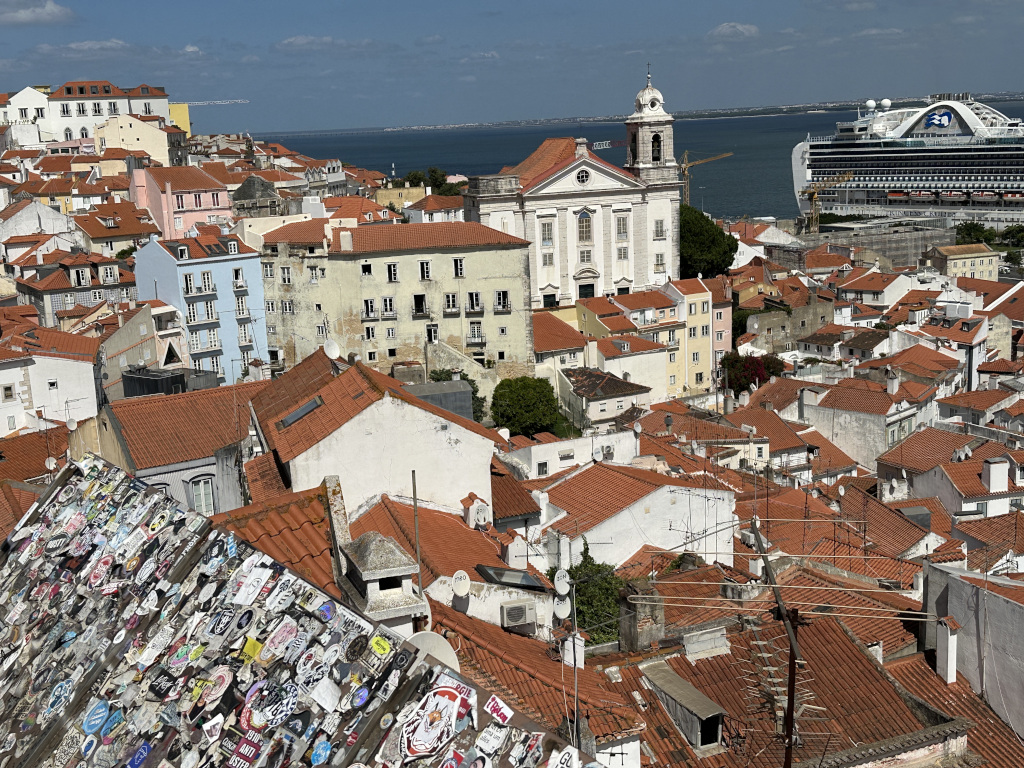
Alfama is the neighborhood where we chose to set down our bags. Our Airbnb, tucked away on a cobblestone alley, offered an unobstructed view of the port, ferries, and cruise ships gliding in at dawn. We were far enough not to be disturbed by the port’s noise, yet close enough to enjoy the visual spectacle. It’s the kind of detail that elevates a stay: waking up to the soft morning light over the Tagus and the slow ballet of ships. The apartment itself was well-equipped and comfortable, and our host, particularly accommodating, allowed us to check in early to match our early arrival in Lisbon.
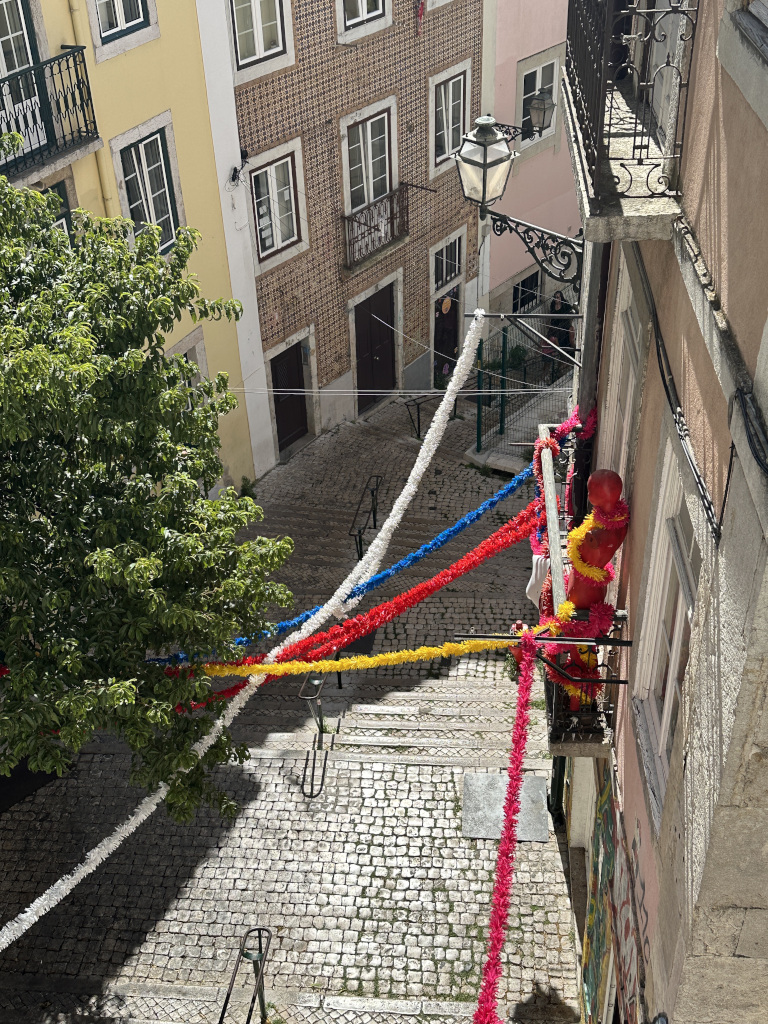
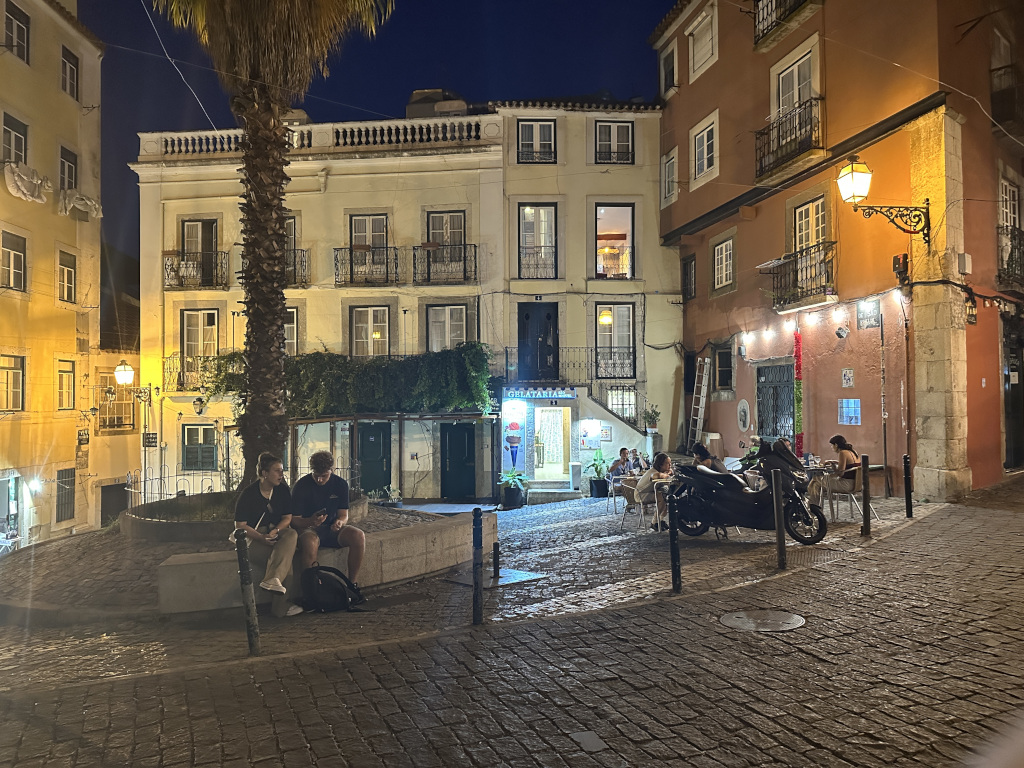
From the moment we arrived, we discovered one of Alfama’s charms… and challenges: its narrow, maze-like streets. Even the Uber app wouldn’t set the drop-off point at our Airbnb’s exact address. The street was closed to public traffic — only residents with special access could enter — so our driver had to leave us at a distance. Result: luggage in hand, we navigated steep cobbled alleys and staircases to reach the apartment. Under Lisbon’s July heat, this short climb gave us a very tangible preview of daily life here. To get around, you’ll want Google Maps handy: Alfama is a true labyrinth, with no obvious visual landmarks. The buildings, three to four stories high, block the view and make it impossible to orient yourself by sight — unlike in other places where a church tower or monument might guide you.
For a gentle first morning, we adopted a ritual that would mark our entire stay: stopping at Café Alfama Doce for our coffee and pastry breakfast. A few simple tables, warm and friendly service, and still-warm pastéis de nata that melt in your mouth. No flashy décor, just a rare authenticity for such a frequented area. The owner effortlessly switches between French, English, Spanish, Italian… and of course Portuguese — a genuinely impressive linguistic talent.
What stands out when stepping out of the café isn’t a postcard view, but the warmth of the neighborhood. Locals know each other, exchange a few words on their doorstep, and shopkeepers take time to chat. Alfama is a tangle of narrow streets hiding true treasures: family-run restaurants without flashy signs, tiny cafés serving coffee in thick cups, and little shops filled with local products. Walking here means accepting to be surprised at every corner.
💡 Expert Tip: Staying in Alfama is a choice I highly recommend. You’ll be within walking distance of many major sites, immersed in a warm, authentic atmosphere. Do plan for mobile data though —Google Maps will be your best friend for finding your way out of this labyrinth.
Castelo de S. Jorge
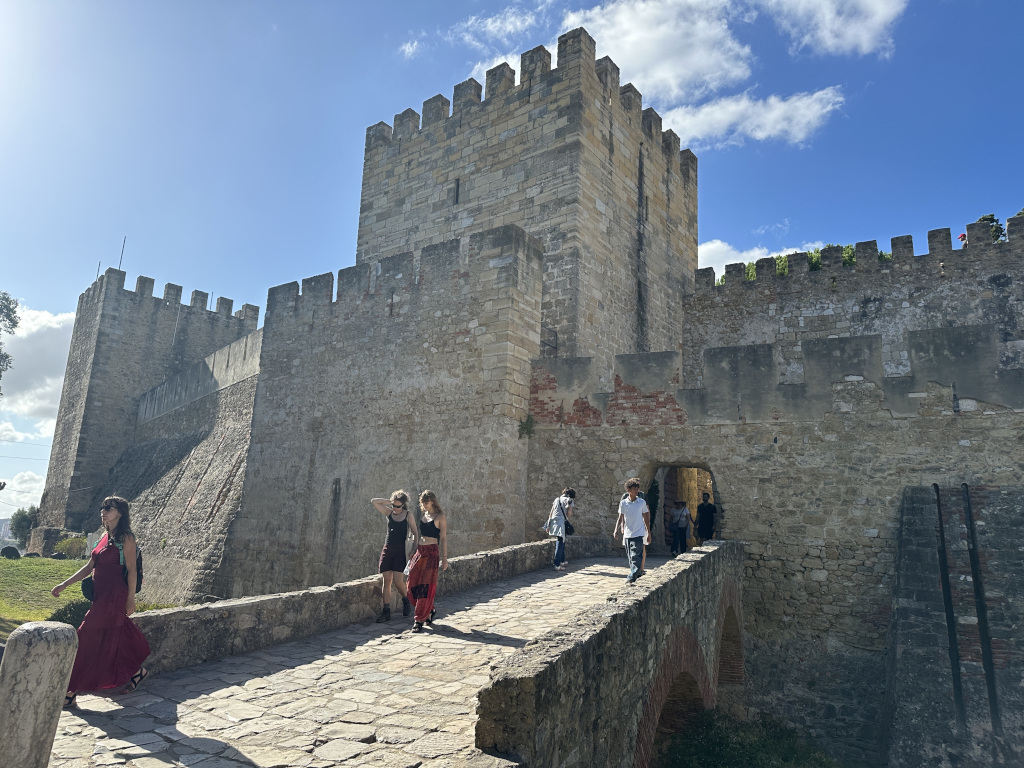
Perched on Lisbon’s highest hill, Castelo de S. Jorge offers not only a sublime panorama but also a monument to be felt and experienced — ideally with a guide. We chose a guided tour, and it transformed our visit. Our guide, a trained historian, could not only recount the events but also convey the essence of each stone and tower, making the past accessible and fascinating for all ages.
Even before stepping into the inner courtyard, you can sense the site’s immense historical weight. The hill beneath the castle has hosted civilizations for millennia: Phoenicians, Carthaginians, Romans, and Visigoths before the fortifications were even built, and most notably the Moors, who held it until its reconquest by the Christians in 1147. Later, it became a royal residence for Portuguese monarchs including Afonso III, Denis I, and Manuel I.
Tickets for small-group guided tours (about 10 to 12 people) are sold on-site for set time slots. Access is not unlimited, so it’s best to plan ahead and check availability — especially in high season.
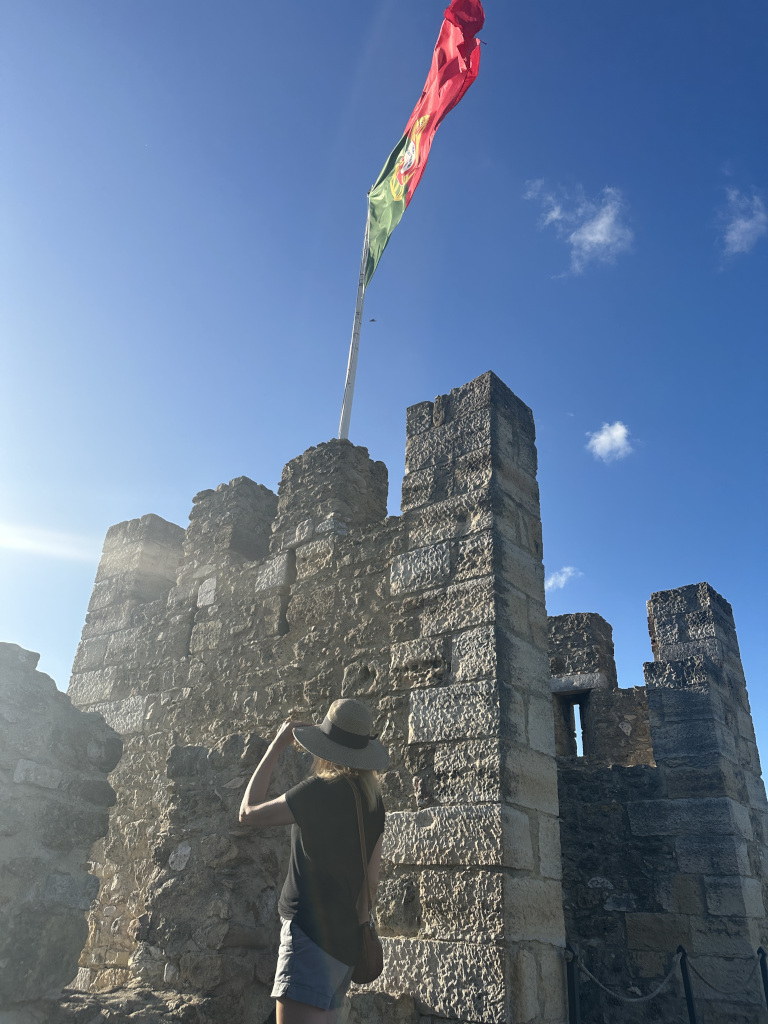
From the top of the ramparts, the panoramic view is breathtaking: the whole city unfolds beneath you, from Alfama’s rooftops to the Tagus estuary. It’s the perfect scene to pause, breathe, and take in the historical scale of Lisbon. While you could simply enjoy the scenery, it’s the interplay of the view with the guide’s storytelling that makes the experience truly memorable.
A charming and unexpected detail: free-roaming peacocks wander the grounds, sometimes perched on walls or strutting through the gardens. They bring a lively, photogenic touch — though they can startle the unprepared. You might even spot them in nearby Alfama.
One thing to skip near the entrance: the Torre da Igreja and Igreja de Santa Cruz, accessible for €10 per adult. On paper, the ticket includes climbing a small tower and visiting a church with a photo exhibition. In reality, the view from the tower is unremarkable, the church is tiny and insignificant, and the exhibition hardly justifies the price. A small glass of wine is offered at the entrance, almost as if to soften the feeling of having overpaid. My advice: save your time and budget for the castle itself and its guided tour.
💡 Expert Tip: Castelo de S. Jorge is an unmissable visit for understanding Lisbon and enjoying an unbeatable city view. Book a time slot for the guided tour — it’s what truly brings the site to life. And save yourself time and money by skipping the Igreja de Santa Cruz and its tower.
Sé de Lisboa
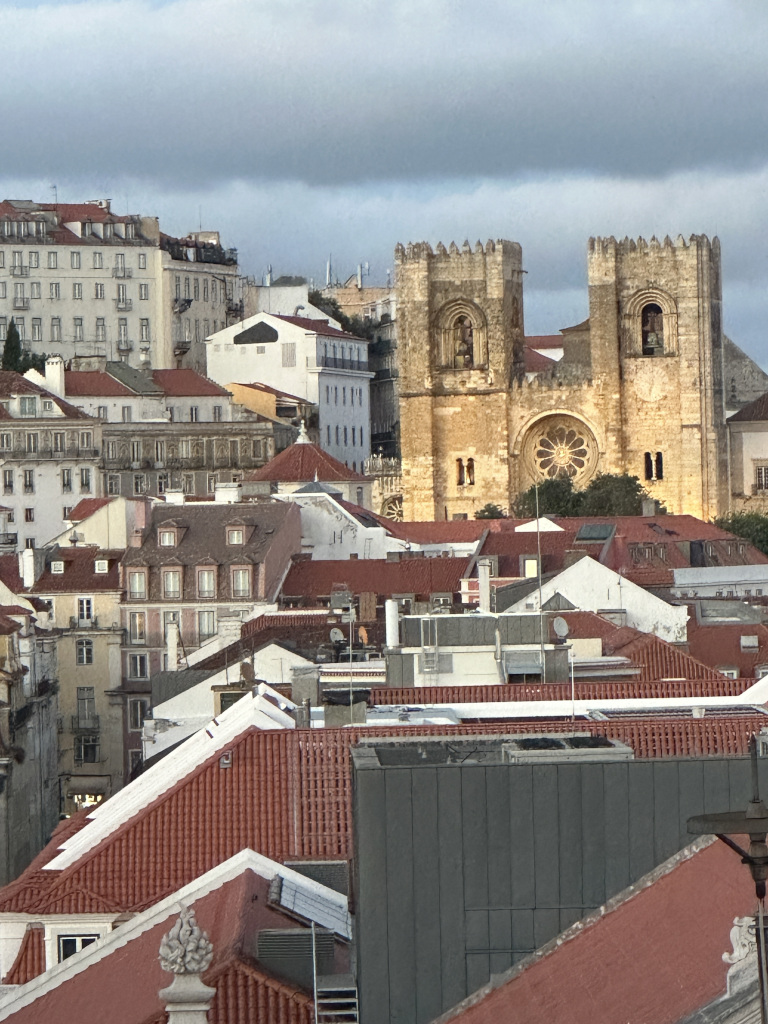
Lisbon’s cathedral, massive and solemn, dominates the entrance to Alfama. Its Romanesque architecture, robust and almost austere, commands respect from the very first steps. Inside, the grand space is marked by a monumental organ and the tombs of several important historical figures.
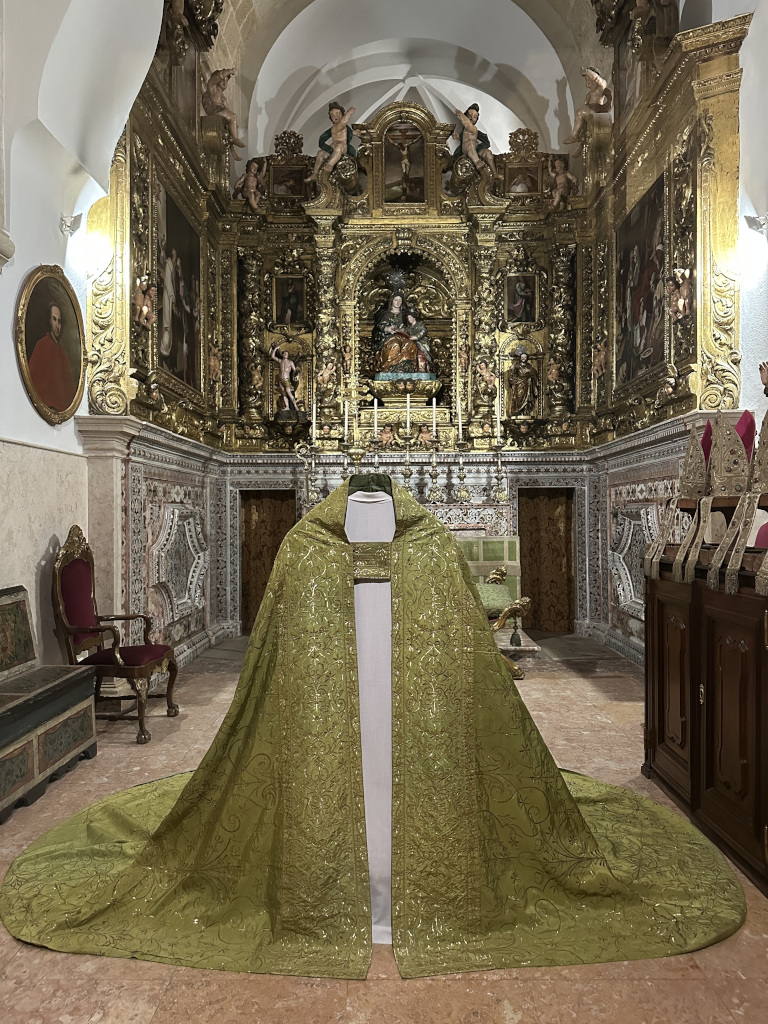
What makes the visit particularly memorable is the treasury, where liturgical pieces and rare works of art are preserved. In the inner garden, ongoing archaeological excavations at the time of our visit revealed Roman ruins, showing that this site was a place of worship successively for the Romans, the Moors, and later the Catholics. With the cloister closed, it was not possible to see these remains directly. A permanent exhibition is in preparation to present this layered, multi-faith history.
It is possible to enter the main nave of the church for free, but access is limited to this central area. To explore the tombs and the treasury, you must purchase a ticket — an expense that remains worthwhile, even if the visit is shorter without the cloister.
💡 Expert Tip: The Sé can be visited fairly quickly in its current state, but it will truly come into its own once the cloister and the multi-faith exhibition are open. In the meantime, it’s an ideal stop to combine with exploring Alfama.
Santa Justa Lift
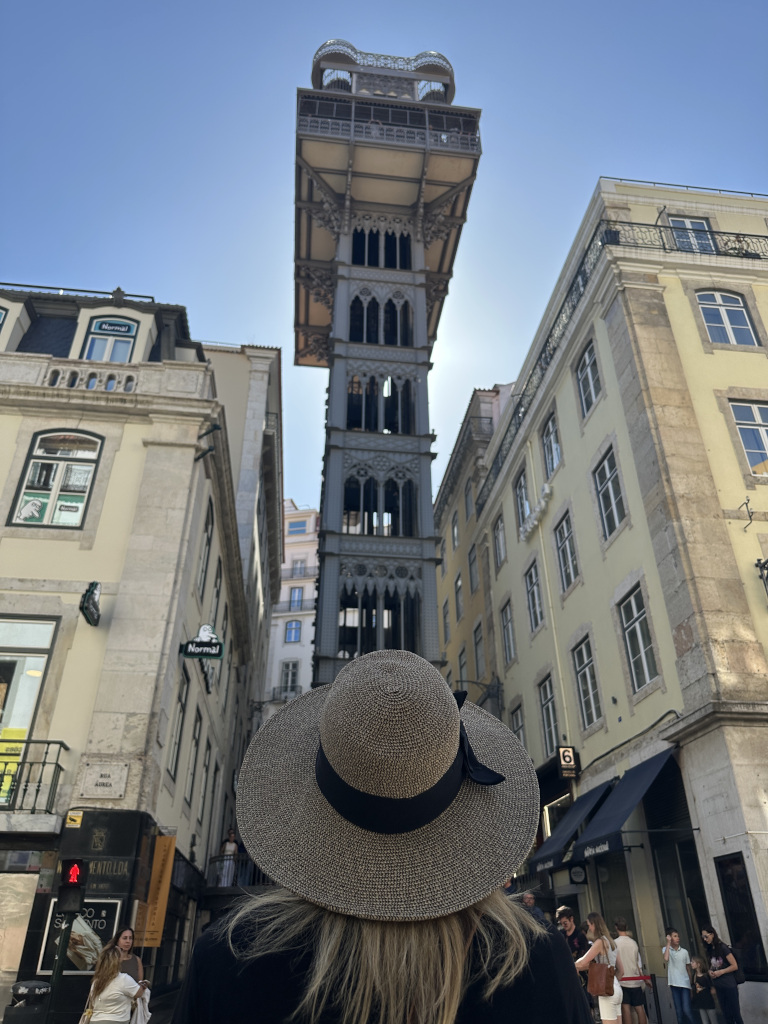
The Santa Justa Lift, a Neo-Gothic masterpiece by Raoul Mesnier du Ponsard, connects Baixa to Largo do Carmo — two key levels of Lisbon’s historic heart. Built between 1900 and 1902 and electrified in 1907, it remains one of the city’s few vertical lifts still in operation.
With its finely crafted wrought-iron structure, it instantly recalls the style of Gustave Eiffel. Many visitors mistakenly believe it to be the work of the French engineer, but in reality, Mesnier du Ponsard was simply inspired by the same aesthetic and architectural principles — hence the striking resemblance.
The wait to go up can be long, and entry is ticketed. Honestly, the view from the upper platform, while pleasant, doesn’t quite match that of some of Lisbon’s free miradouros.
💡 Expert Tip: Admire it from the outside, then take the surrounding streets uphill on foot. You’ll skip the queue and discover along the way some interesting perspectives on the structure.
Praça do Rossio and its train station
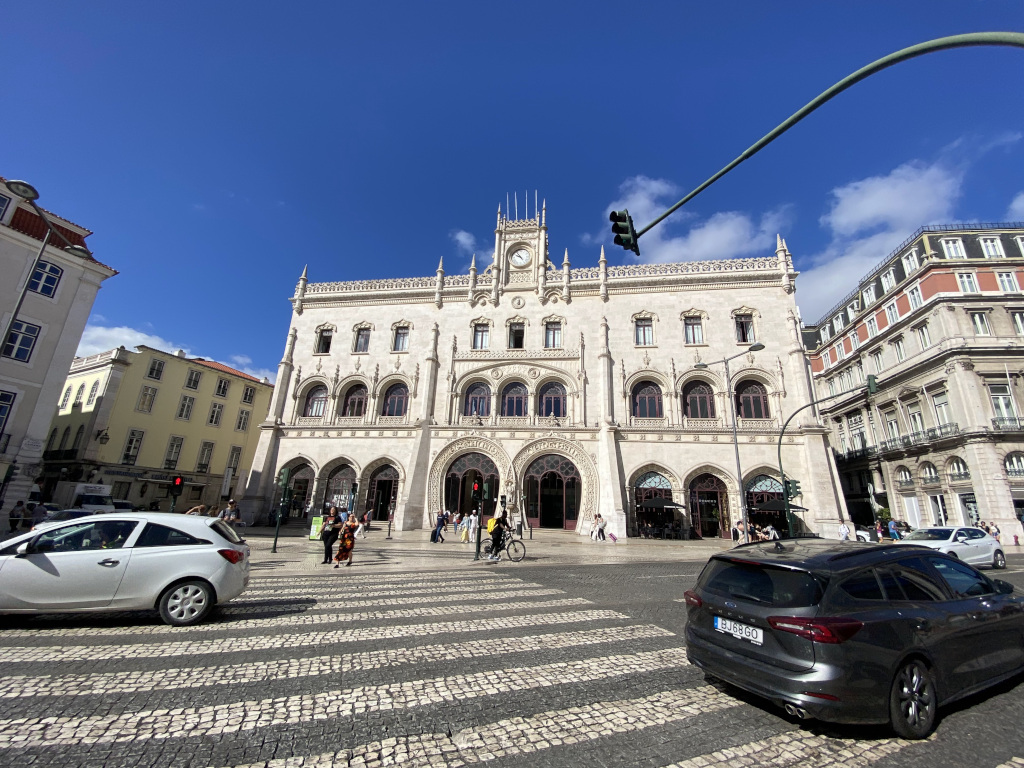
Rossio Square is a lively space paved with black-and-white wave patterns, where you can feel the heartbeat of Lisbon, the capital of Portugal. Here, everything is in motion: bustling café terraces, hurried passers-by, street musicians… It’s a place where the city’s energy gathers, and where you truly sense its central role in Portuguese life.
Right next door, Rossio Station, with its ornate Neo-Manueline façade, is a small architectural gem. This is also where you catch the train to Sintra — but even if you’re not heading out on an excursion, it’s worth stopping to admire the exterior and peek inside.
💡 Expert Tip: Rossio is a perfect spot to sit at a terrace, sip a coffee, and watch Lisbon life unfold. But beware: the restaurants directly on the square tend to be overpriced for mediocre quality. Skip these tourist traps and wander the nearby side streets to find far more authentic and delicious options.
Tágide Restaurant
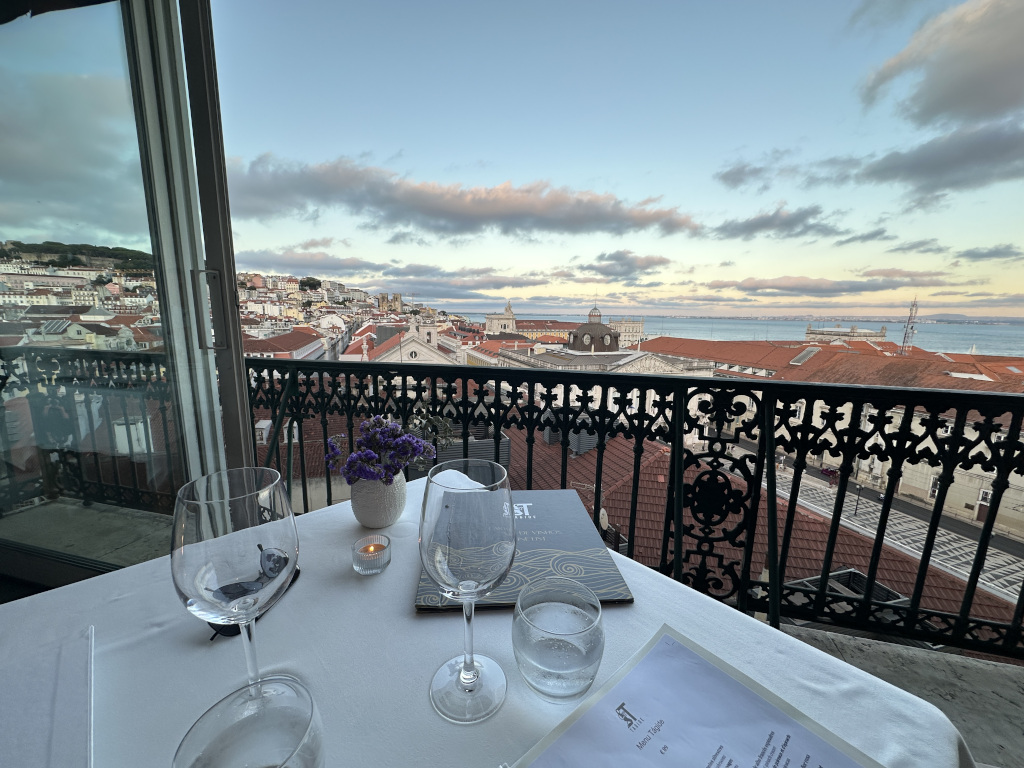
Tágide made its mark on Lisbon’s gastronomic history as the very first restaurant in the city to receive a Michelin star. It no longer holds that accolade, but it still delivers a culinary standard and service refinement that more than justify a visit.
The view is spectacular: from the dining room, you overlook the Praça do Comércio and the Tagus River. To make the most of the panorama, be sure to request a table by a large window. The service is flawless, worthy of the finest establishments, and instantly immerses you in the atmosphere of an exceptional restaurant.
On the plate, the cuisine lives up to the setting. The tasting menu with wine pairing is an excellent choice, though I recommend ordering the pairing for only one person. That way, each guest enjoys half a glass with every course — enough to fully appreciate the progression of flavors without feeling overwhelmed by alcohol. It’s also a way to keep the bill in check, as Tágide remains a high-end address that will impact your travel budget.
The ideal booking time is about 45 to 60 minutes before sunset. This allows you to witness a truly unique moment: the golden light wrapping the city, followed by the gradual transition into an illuminated Lisbon shimmering along the river. A romantic and unforgettable spectacle.
💡 Expert Tip: Order the wine pairing for just one person and share. You’ll still enjoy the full tasting experience while keeping alcohol intake — and the bill — under control.

⛵ Belém — Cradle of the Age of Discoveries
Jerónimos Monastery — A Manueline Masterpiece
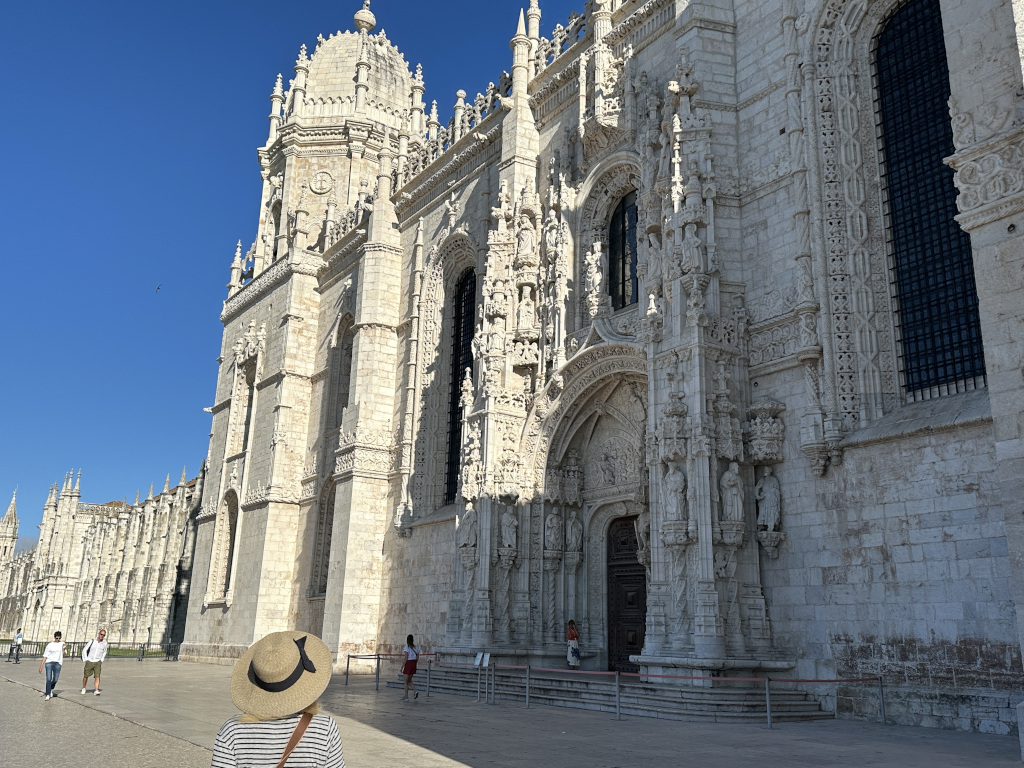
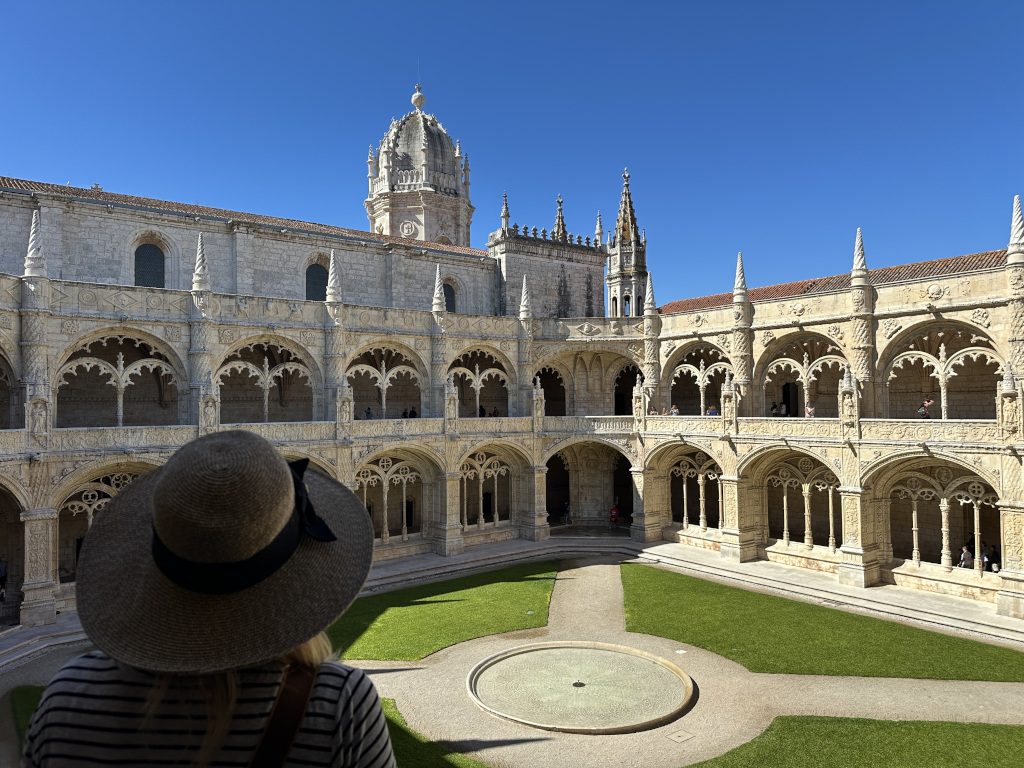
A jewel of Manueline architecture, the Jerónimos Monastery impresses from the very first glance with its intricately carved white façade. Stepping into the cloister feels like entering another world: delicately sculpted columns, finely decorated arches, and soft light filtering through the galleries.
Getting there is easy — the tram or city bus will drop you right in front. Payment is straightforward thanks to contactless options, whether you use a credit card, phone, or even a smartwatch — a smooth, hassle-free experience.
Tickets must be purchased in advance. Guided tours are available, but you’ll need to book several days — even up to a week — ahead to secure a spot. We used the Clio Muse Tours audio guide, which was well-designed and easy to follow.
Even with a ticket in hand, the wait can be long, as only small groups are allowed in at a time. Keep in mind that the line is entirely in the sun, with no shade, and you’ll be standing the whole time. The best strategy is to arrive early in the morning, around 20 minutes before opening, to be among the first inside. Once in, be aware that there are no places to sit. Visitors with back pain or difficulty standing for long periods may find the visit physically demanding.
💡 Expert Tip: Arrive early — ideally 20 minutes before opening — with water and sun protection. Start with the cloister and allow at least an hour to take it all in. If you want a guided tour, book it well in advance.
Pastéis de Belém — Where a Lisbon Icon Was Born
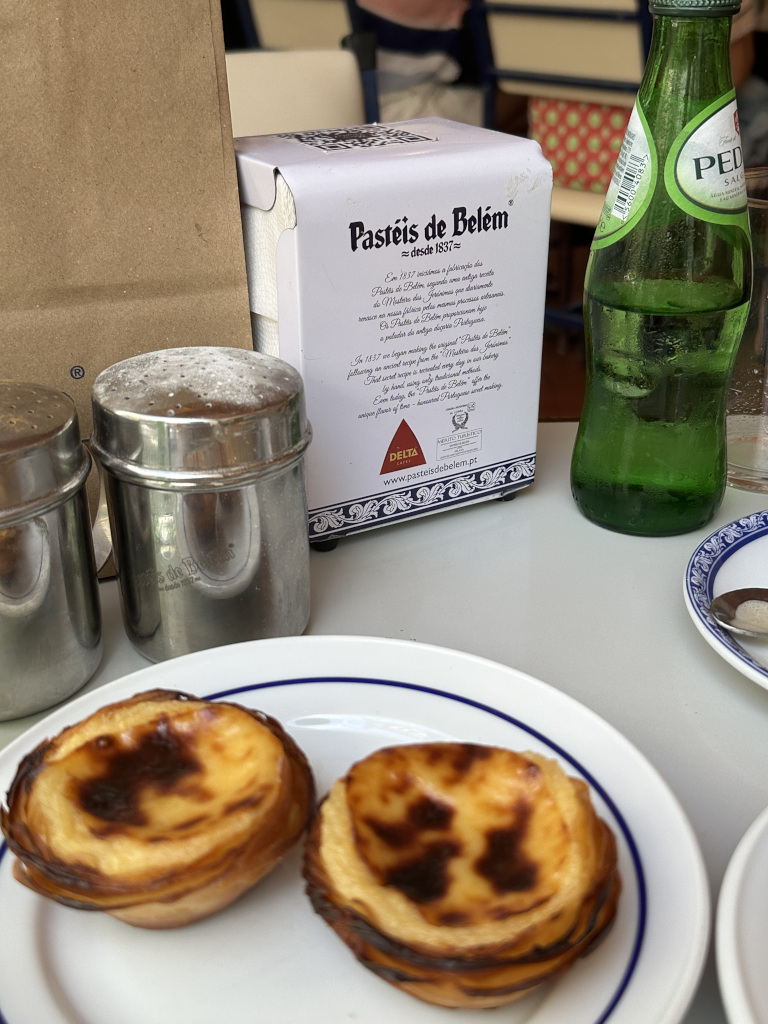
Founded in 1837, Pastéis de Belém is a true Lisbon institution. Legend has it that the original recipe came directly from the monks of the Jerónimos Monastery. At the time, they used large quantities of egg whites to starch their clothing, which left them with a surplus of yolks. Sugar — often gifted to the monastery — completed the abundance. From this combination came the idea of creating a rich, indulgent pastry… and thus, the pastel de nata was born.
Contrary to what we had often been told, we didn’t have to wait in a long line. We quickly found a table inside, which allowed us to enjoy the experience in the relative calm of the dining room. The pastéis, still warm, were simply exceptional: a crisp, delicate puff pastry shell, filled with a perfectly creamy, subtly spiced custard, and topped with just the right touch of caramelization.
We also decided to stay for lunch. The sandwiches, like many dishes in Portugal, were generous in size and flavour, and every bit as satisfying as the pastries. A strong espresso rounded off the meal — the perfect Portuguese finish.
💡 Expert Tip: The difference between enjoying a pastel fresh from the oven and eating one hours later is striking. For the ultimate experience, take a seat inside and savour them while they’re still warm.
Monument to the Discoveries
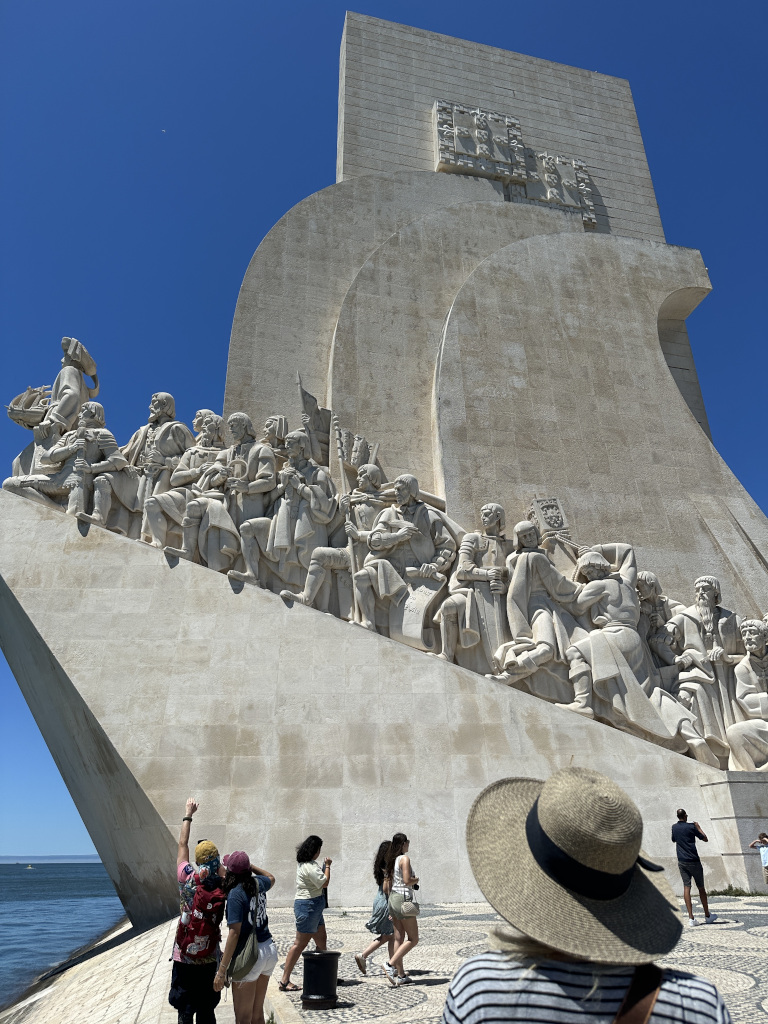
Located directly opposite the Jerónimos Monastery, across the vast Jardim da Praça do Império, the Monument to the Discoveries (Padrão dos Descobrimentos) pays tribute to the great Portuguese navigators who shaped the country’s maritime history. Its central structure depicts in relief some of the most iconic figures of the Age of Discovery — including Vasco da Gama and Prince Henry the Navigator — all facing the Tagus River, as if ready to set sail once more.
Entrance to the monument is ticketed and includes access to the rooftop viewing platform. However, in my opinion, the view is not particularly remarkable compared to the many free miradouros scattered across Lisbon, which offer equally stunning perspectives of the Tagus. Inside, a small exhibition is included, but it has no clear connection to the monument’s history or the voyages of exploration — making the interior visit skippable.
The side sculptures, on the other hand, are striking and well worth examining from both sides to appreciate their intricate details. It’s a pity there’s no visual or audio guide provided on site — you’ll need to pull out your phone and do your own research to identify the figures in each scene.
💡 Expert Tip: Admire the monument’s sculptures from the outside and save your budget for another historic site. If you want to delve deeper, prepare a list of the featured figures in advance to make the most of your visit.
Belém Tower
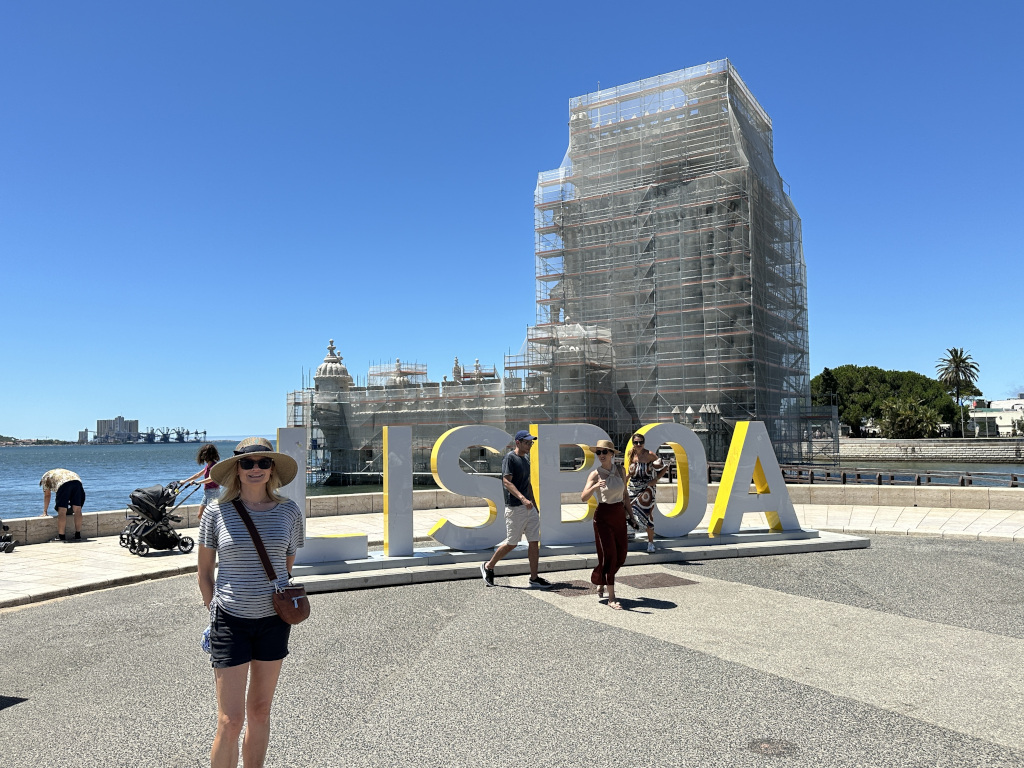
An iconic symbol of Lisbon, the Belém Tower is usually one of the finest examples of Manueline architecture. However, during our visit in July 2025, the experience was quite different. Closed for renovations since April 2025 — with work expected to last about a year — the tower was completely surrounded by scaffolding. Not only was the interior off-limits, but even the exterior, usually so photogenic, had lost much of its charm behind the metal structure.
It’s a fair walk from the Monument to the Discoveries, but in these conditions, the effort hardly feels worthwhile. As long as the restoration work continues, you’re better off devoting that time to other attractions in the Belém district.
💡 Expert Tip: Wait for the tower’s reopening to truly appreciate its architecture. In the meantime, focus on nearby highlights such as the Jerónimos Monastery.
✨ Lisbon travel tips for couples: Final Thoughts
Visiting Lisbon and its surroundings means diving into a rich blend of history, architecture, and unique atmospheres — but it also means learning to navigate the practical realities of an urban trip. To stay connected at all times, we used the Airalo eSIM, which proved reliable and cost-effective — with a 50% discount on the second eSIM, perfect for traveling as a couple. For getting around, the Transit app was invaluable, providing real-time schedules for trams, buses, and trains, making our journeys smooth and stress-free.
To get the most out of these Lisbon travel tips for couples, I strongly recommend reading the different Wikipedia pages related to each location before traveling and visiting — I’ve included some of these links directly in this blog. Having that background in mind made each place come alive and gave more depth to what we were seeing.
Then there are those unexpected discoveries that never make it into standard itineraries. In the very heart of Lisbon, beneath cobblestone streets and colorful facades, archaeological excavations have uncovered the remains of an ancient Roman coliseum. Invisible from the surface, it still lies hidden under the houses, but the ongoing work raises hopes that one day it might be open to visitors. It’s the kind of revelation that reminds you how the Portuguese capital carries, beneath its foundations, a history far older and more complex than it first appears.
It’s these unplanned moments, nestled between carefully scheduled visits, that give a trip its unique character — and that will make Lisbon and Belém an unforgettable escape for us.
👉 You’ll find more stories like this in the Destinations – Portugal section.
Want to learn more?
Join my newsletter!